



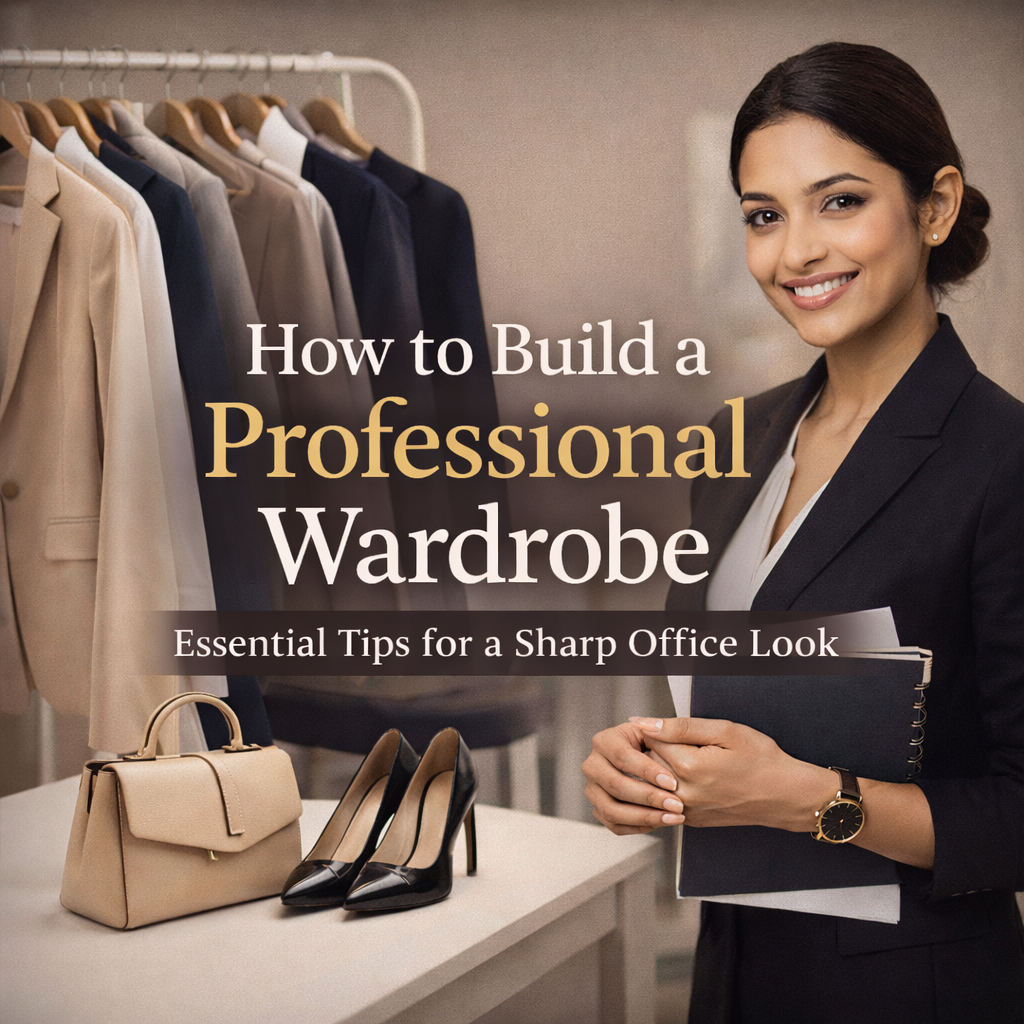
How to Build a Professional Wardrobe
A professional wardrobe is more than just a collection of clothes it reflects your confidence, personality, and professionalism. Whether you’re starting your career, preparing for interviews, or upgrading your work style, having the right wardrobe can help you make a strong and lasting impression.
Building a professional wardrobe doesn’t mean buying expensive clothing. It’s about choosing versatile, well-fitted pieces that can be mixed and matched for different work settings.
Start with the Basics
Every professional wardrobe should begin with a few essential pieces that work for multiple occasions. These items serve as the foundation of your daily outfits.
Key wardrobe essentials
- A well-fitted blazer
- Neutral trousers or formal pants
- Classic white or light-coloured shirts
- A structured dress or formal skirt
- Comfortable formal shoes
- A neutral handbag or work bag
Neutral colours such as black, navy, grey, and beige are ideal because they are easy to combine with other pieces.
Choose Quality Over Quantity
When building a professional wardrobe, focus on quality rather than buying many inexpensive items. Well-made clothing tends to last longer, maintain its shape, and look more polished.
Look for:
- Durable fabrics
- Clean stitching
- Good fit and tailoring
A few high-quality items can create many outfit combinations.
Stick to a Neutral Colour Palette
Neutral colours are essential for professional environments because they create a clean and polished look.
Recommended colours
- Black
- Navy blue
- Grey
- Beige
- White
Once you have a neutral base, you can add subtle colours like soft blue, burgundy, or olive green to bring personality to your outfits.
Focus on Fit and Comfort
Even the most expensive clothing can look unprofessional if it doesn’t fit well. Properly fitted clothes enhance your appearance and make you feel more confident throughout the day.
Tips for better fit:
- Avoid clothes that are too tight or too loose
- Ensure sleeves and trousers are the correct length
- Consider tailoring for important pieces like blazers and pants
Comfort is equally important, especially if you spend long hours at work.
Add Versatile Pieces
Choose clothing that can be styled in different ways. Versatile pieces allow you to create multiple outfits without buying too many items.
For example:
- A blazer can be worn with trousers, skirts, or dresses
- A white shirt can be styled with formal pants or layered under a blazer
- Neutral shoes can match most outfits
This approach helps build a functional and flexible wardrobe.
Use Accessories Thoughtfully
Accessories can enhance a professional outfit without overpowering it.
Good professional accessories include:
- Minimal jewellery
- Classic watches
- Structured belts
- Simple handbags
Keep accessories subtle and elegant for a polished appearance.
Maintain and Organize Your Wardrobe
Taking care of your clothes ensures they always look professional.
Simple tips:
- Keep clothes clean and wrinkle-free
- Use proper hangers for blazers and shirts
- Store seasonal clothing separately
- Regularly declutter items you no longer wear
An organized wardrobe also makes it easier to choose outfits quickly.